
Built by someone
who runs calls.
I’m a volunteer firefighter in southwestern Illinois, a software architect by trade, and a disabled Air Force veteran.
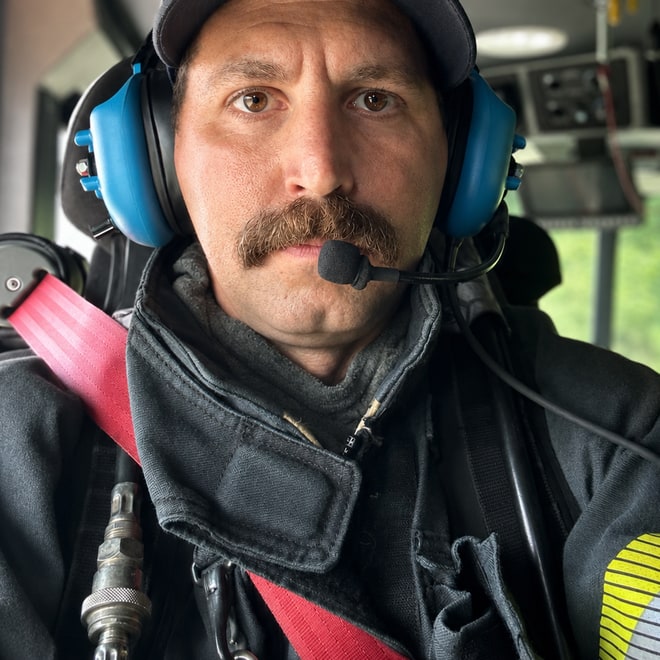
Alex Tarsha
Founder
Why I joined
Friends in my district spent years trying to get me to join. I always had a reason not to — too busy, too old.
Then, a couple years ago, a crash involving my relatives was answered by volunteers from a neighboring department. What those people did that day, and how they carried themselves, took my reasons apart. I joined shortly after, and I’ve immersed myself in the fire service ever since — I’m in the state fire academy now, working through the same JPRs Firedesk tracks.
Why Firedesk exists
Once I was inside, I started noticing how much of the work was still paper. Run reports filled out by hand. Training logs in a notebook. Equipment inspection dates living in someone’s calendar until the day they didn’t.
Nobody was doing anything wrong — that’s just what the job looks like when everyone doing it has a full-time job somewhere else. Building software is mine. So I built this for my own department, and then for departments like it.
Not long after I started, my chief asked whether I could help with his NERIS submissions. He was losing hours every week to it — hours that belonged on the training ground with the rest of us. That’s how Firedesk’s NERIS integration came to exist. It gave us our chief back.
How it’s run
Firedesk is small on purpose. There’s no call center to route through and no sales team to get past — when you send a message, it reaches the person who wrote the code. Most of what’s been built since launch got built because a department asked for it.
I’m still the one filing run reports at my own department, which is the main reason this keeps getting better. Every feature gets used by someone who has to live with it on a Tuesday night.
Questions before you start?
Ask directly. No demo booking, no discovery call.